Learn Chinese Through Real-World Topics
Bridge the gap between textbook Chinese and real-world Mandarin, one topic at a time.
Every topic is built from authentic Chinese and organized into three progressive levels of listening, reading, speaking, and vocabulary—helping learners move from textbook Chinese to real-world communication.
Learn Chinese Through What's Happening Now.

Spring Pollen Allergies: Why More People Sneeze
春季花粉过敏:为什么越来越多人中招?
Why are seasonal pollen allergies affecting more people in China?

Token Usage: Measuring China's AI Era
词元调用量:人工智能时代的新标尺
What does China's token surge reveal about its AI boom?

China's Digital Culture Goes Global
文化“新三样”:中国数字内容出海
How is China's digital culture winning fans worldwide?

From Remote Control to Autonomy
从遥控到自主:人形机器人的能力跃升
Why did a humanoid robot beat Usain Bolt’s 100-meter world record?
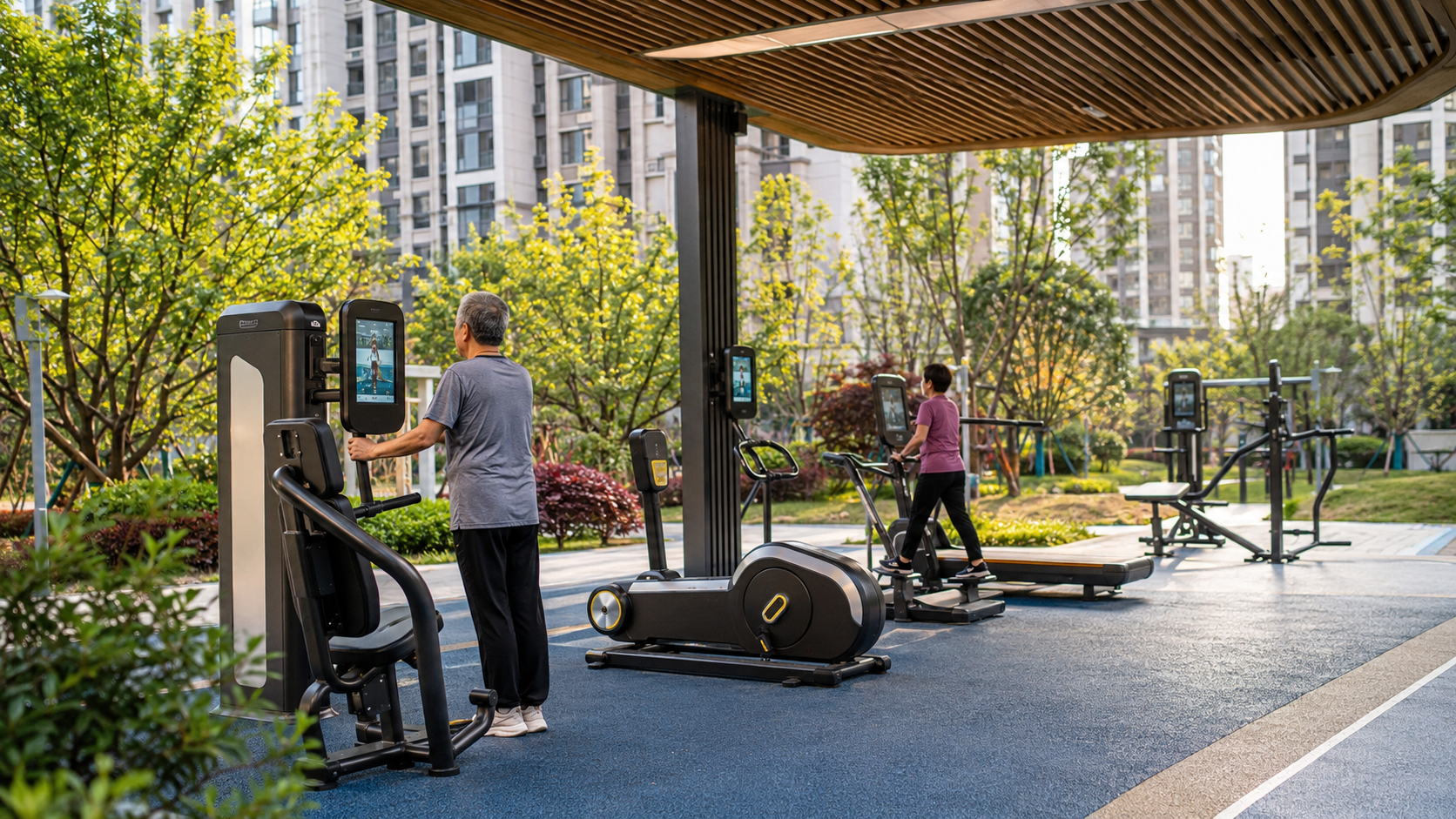
Smart Community Fitness in China
从“楼下能练”到“科学健身”
Why are health assessments becoming part of the neighborhood gym experience?

When Cities Make Room for Wildlife
城市如何为野生动物留出空间
Can urban development and wildlife protection move forward together?
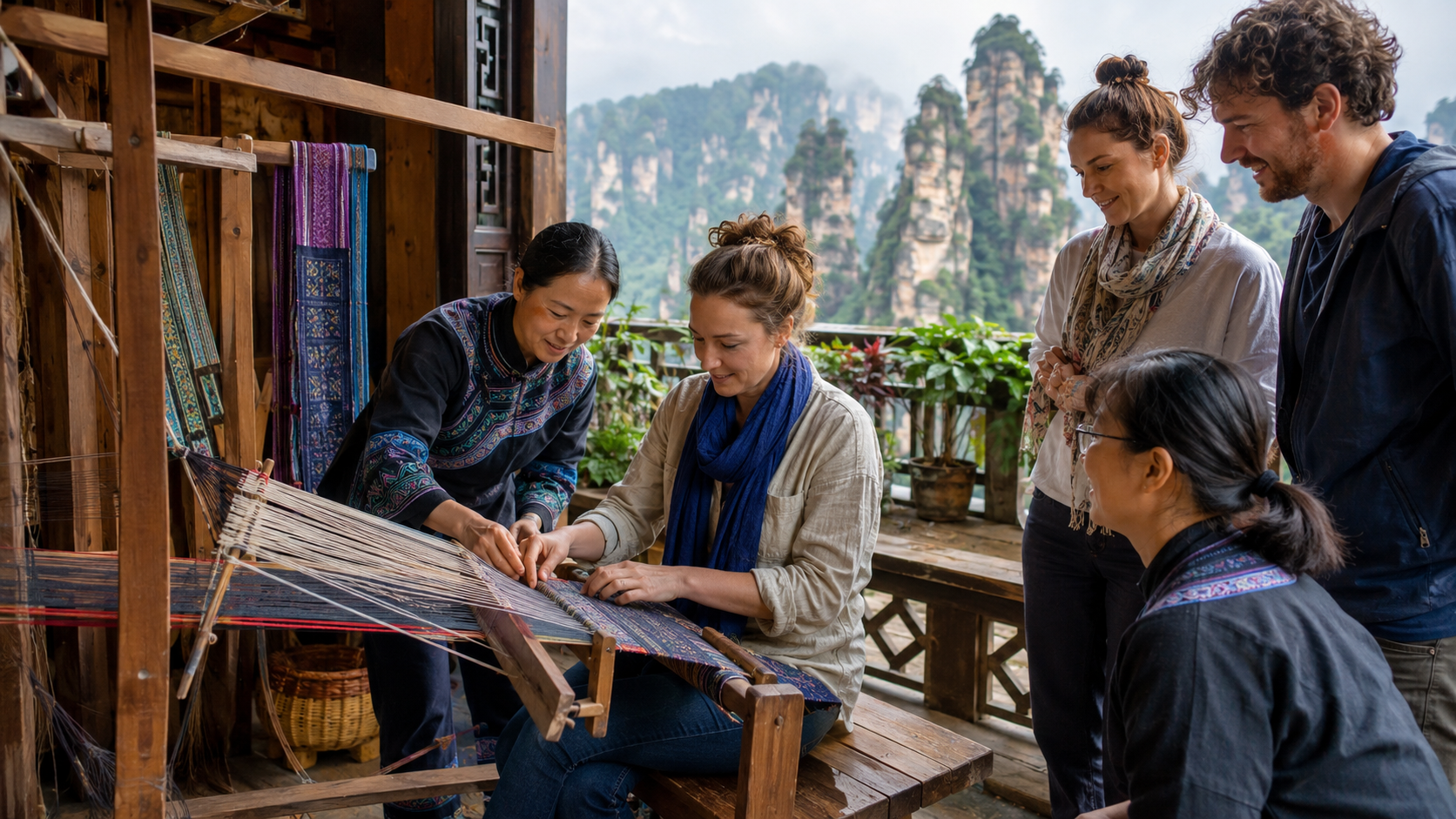
Beyond Sightseeing: China’s Inbound Tourism Shift
从“打卡”到“住下”:入境游新变化
Why are foreign visitors staying longer and experiencing local life?

When Hospital Care Comes Home: Who Qualifies?
病床搬进家:谁能申请家庭病床?
China is bringing medical care home—but not everyone qualifies.
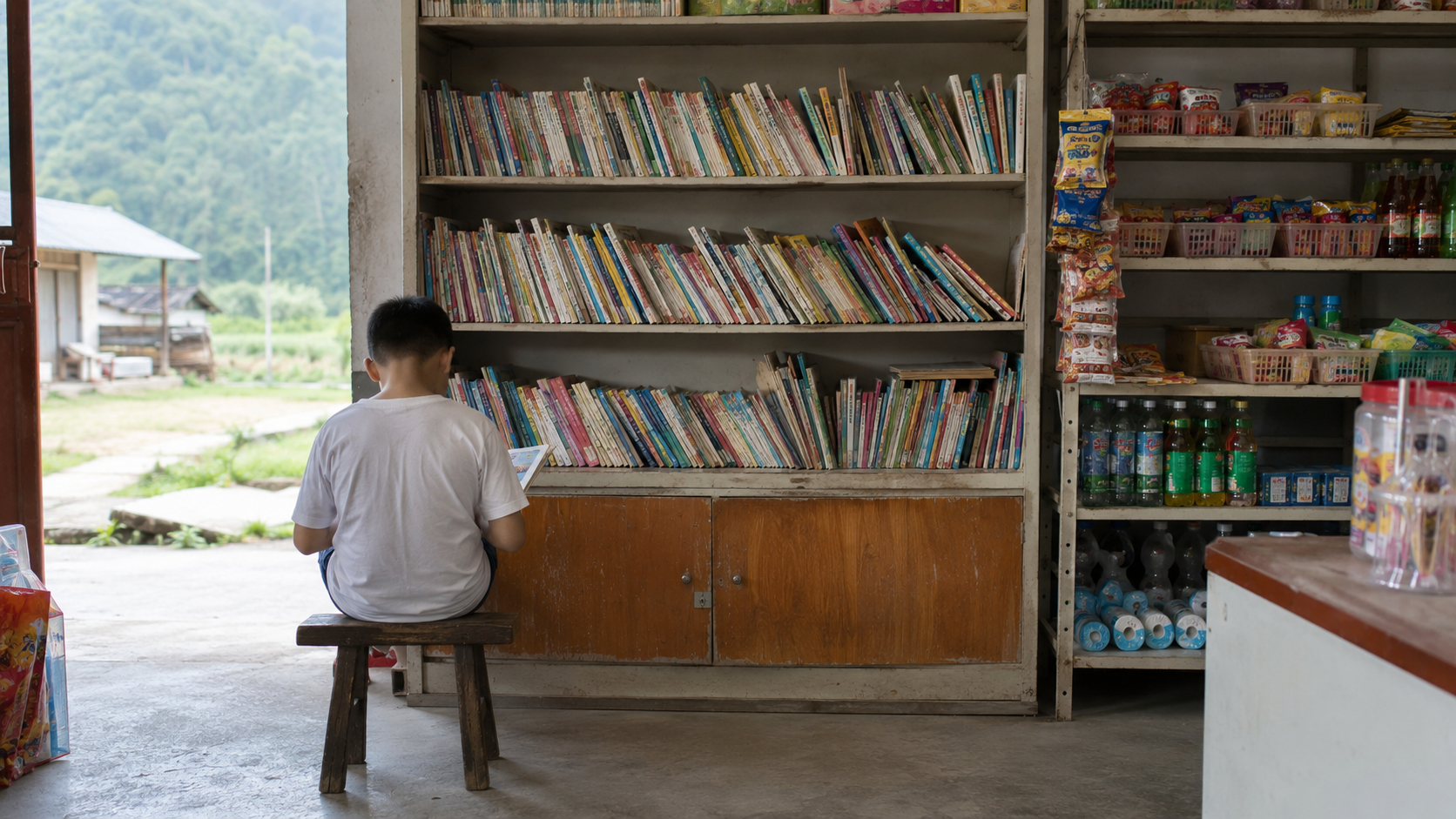
From Liquor Shelf to Bookshelf
从酒架到书架:一位乡村店主的十八年坚守
Why did a shopkeeper lend books instead of selling liquor?

Yiwu: From Roadside Stalls to the “World’s Supermarket”
从“鸡毛换糖”到“世界超市”
How did an inland city become a global trading powerhouse?
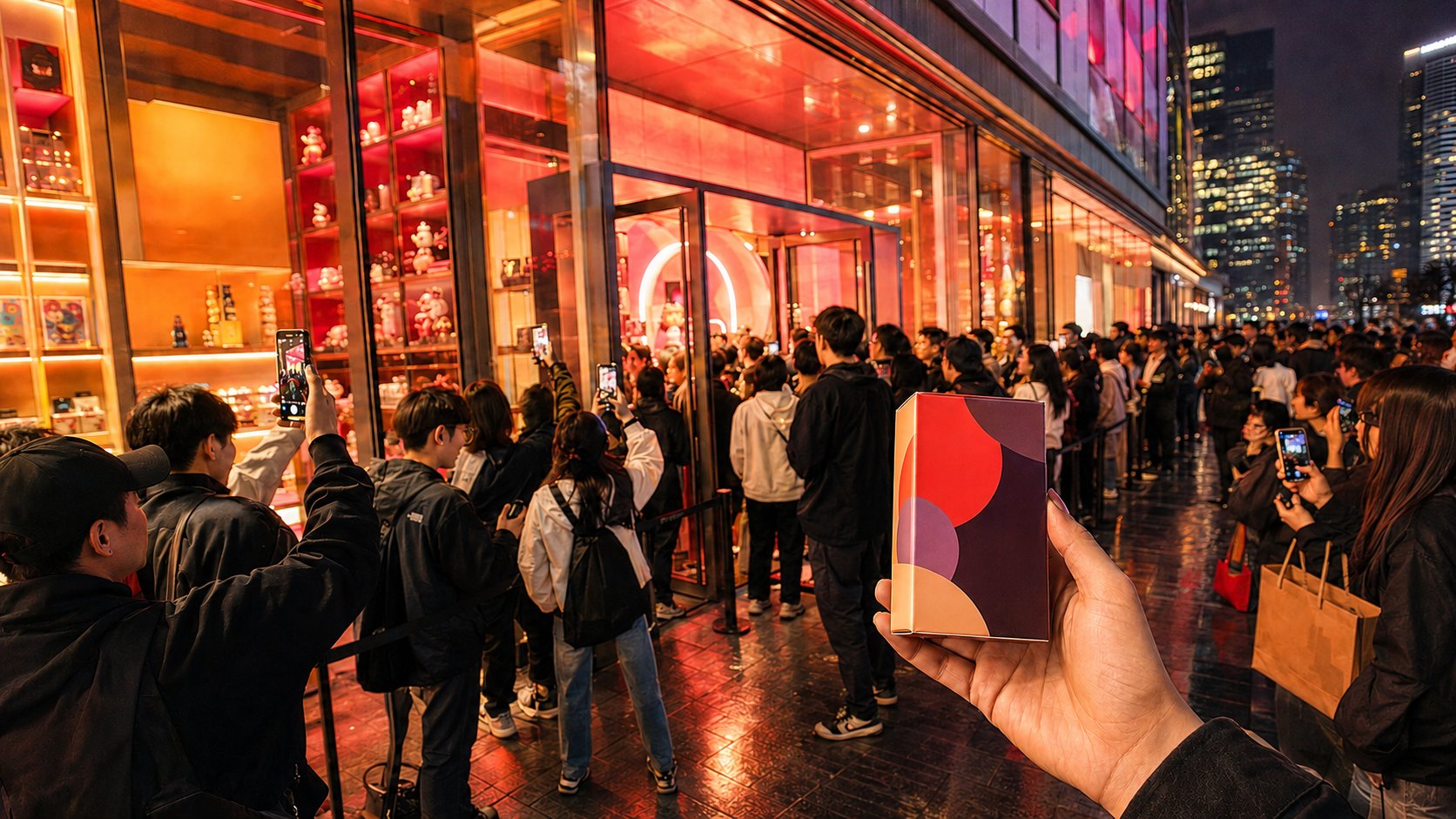
Beyond the Designer Toy Boom
中国潮玩:从热潮到品牌
Can a viral toy craze become a lasting Chinese brand?
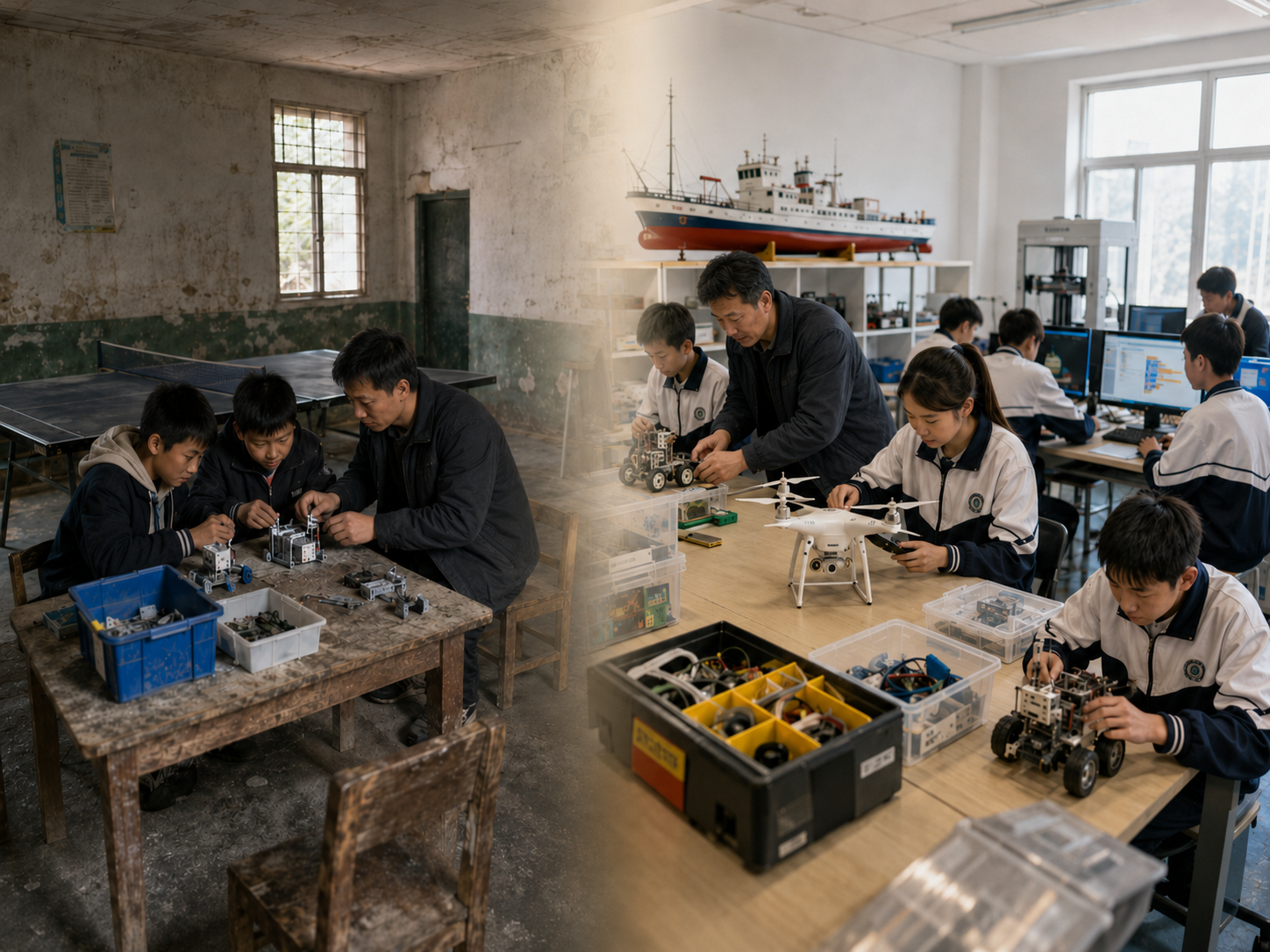
From a Ping-Pong Room to a STEM Dream
从乒乓球室到科技教育梦
How did 5,000 yuan and two robot kits spark STEM education across a county?
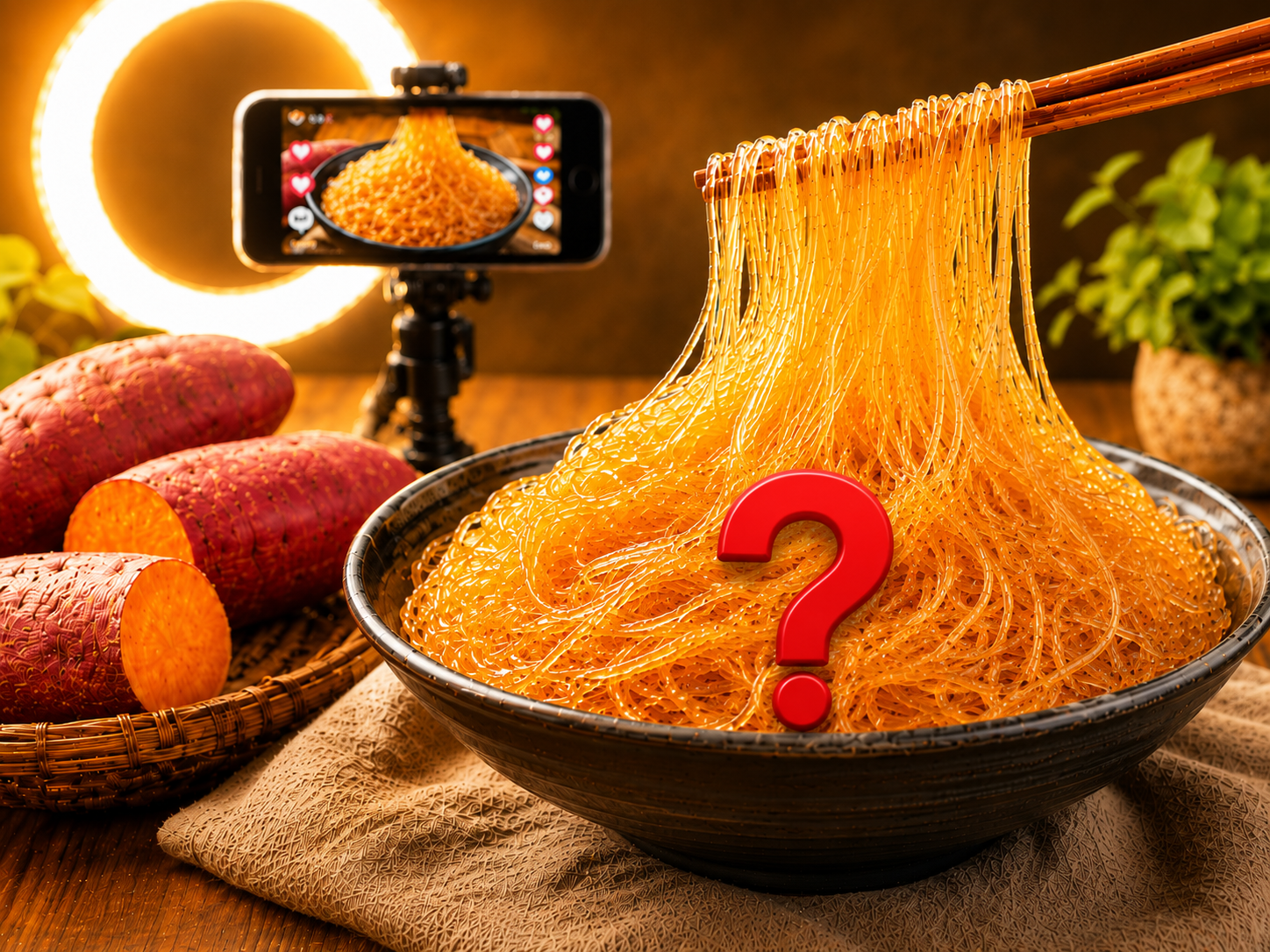
No Sweet Potato in the “Sweet Potato Noodles”
“纯红薯”背后的食品安全监管
Can “pure” sweet potato noodles contain no sweet potato at all?
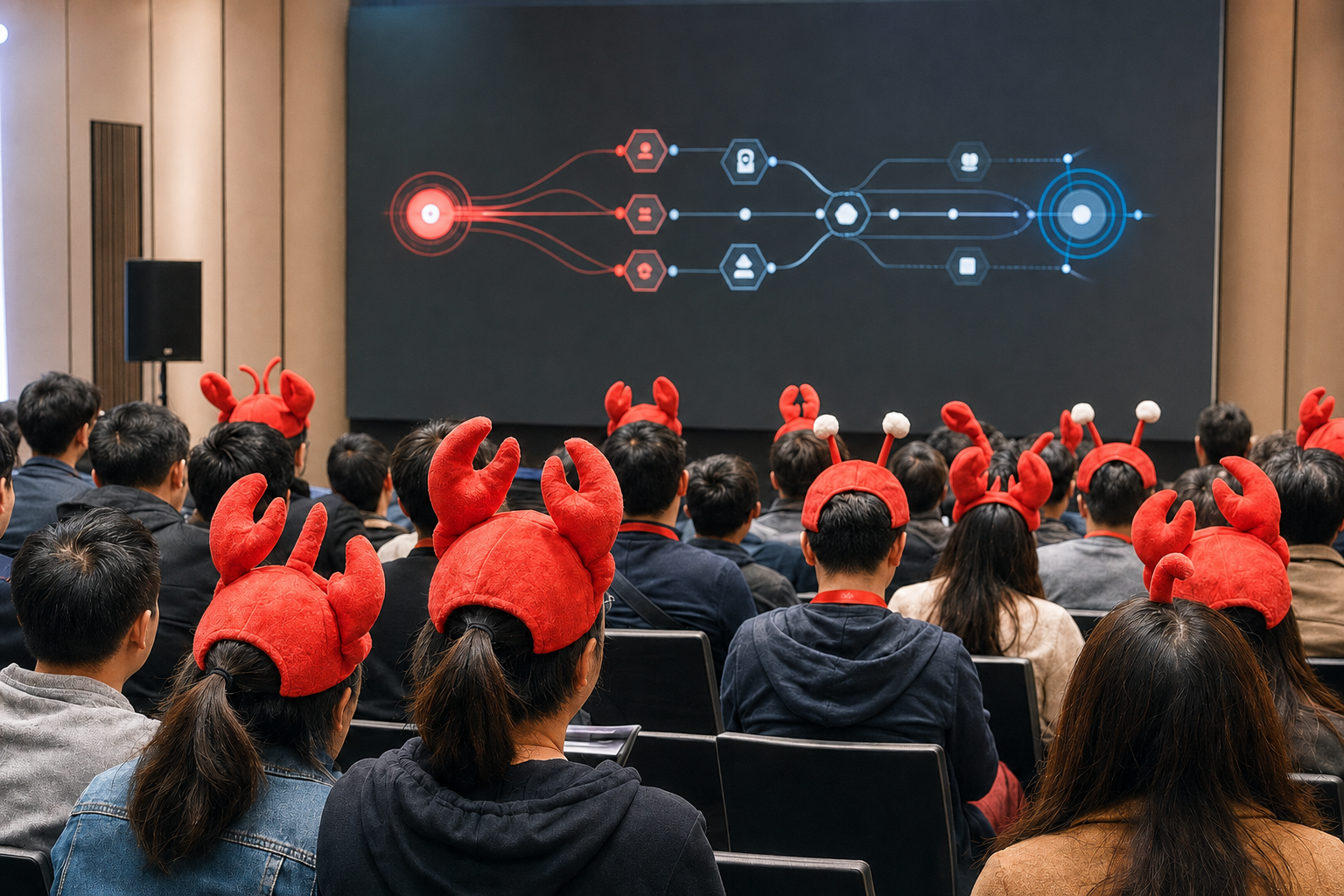
Raising a “Lobster”: From Chat to Action
“养龙虾”:从“能说”到“会做”
An AI agent can do real work for you—but can you trust it?
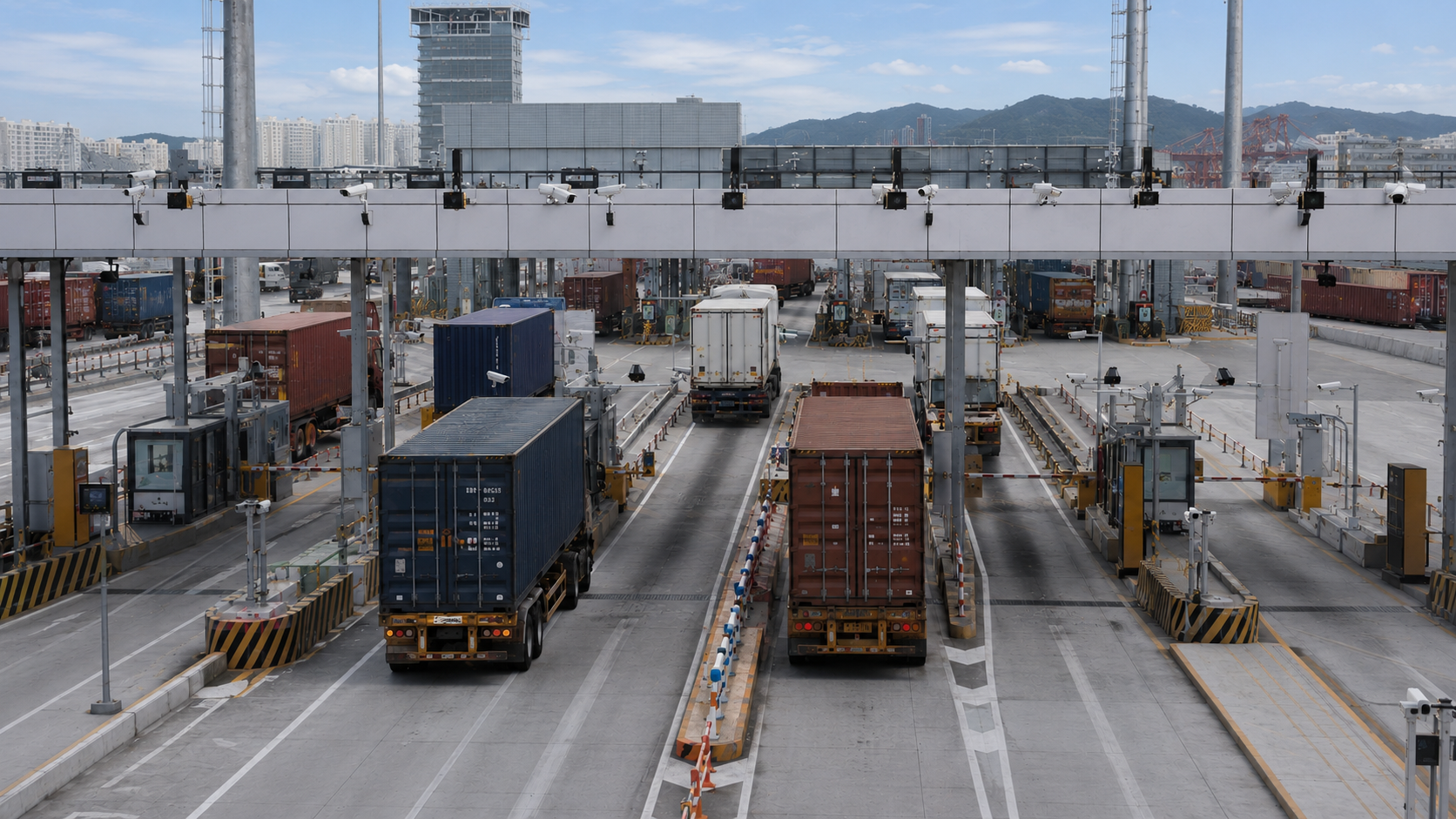
China–ASEAN Smart Border Ports
中国—东盟智慧口岸:从两天到“秒通关”
How can trucks that once waited two days now clear customs in seconds?
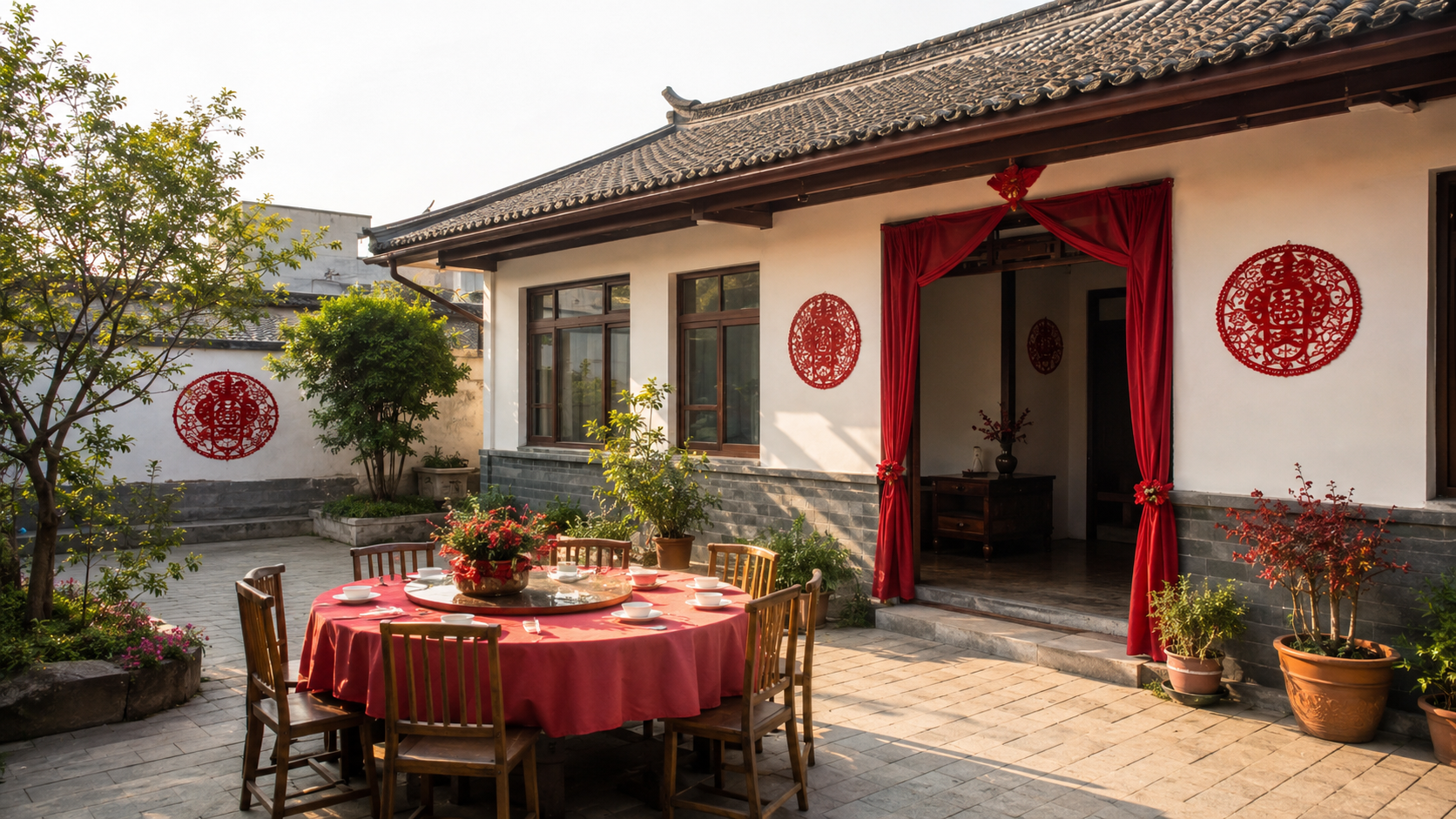
Reforming Bride Price Across Provincial Borders
跨省联动治理高额彩礼
What happens when neighboring counties coordinate bride-price reform?

Before the Typhoon Hits: How China Prepares
台风来袭前:中国如何提前防范
Can a 48-hour warning change how a country responds?

China's New Social Assistance Law
社会救助:有稳定收入也能申请吗?
Can a family with a steady income still qualify for government help?

The Sky Road: Twenty Years on the Plateau
青藏铁路:雪域高原二十年巨变
How did one railway change the meaning of distance on the Tibetan Plateau?
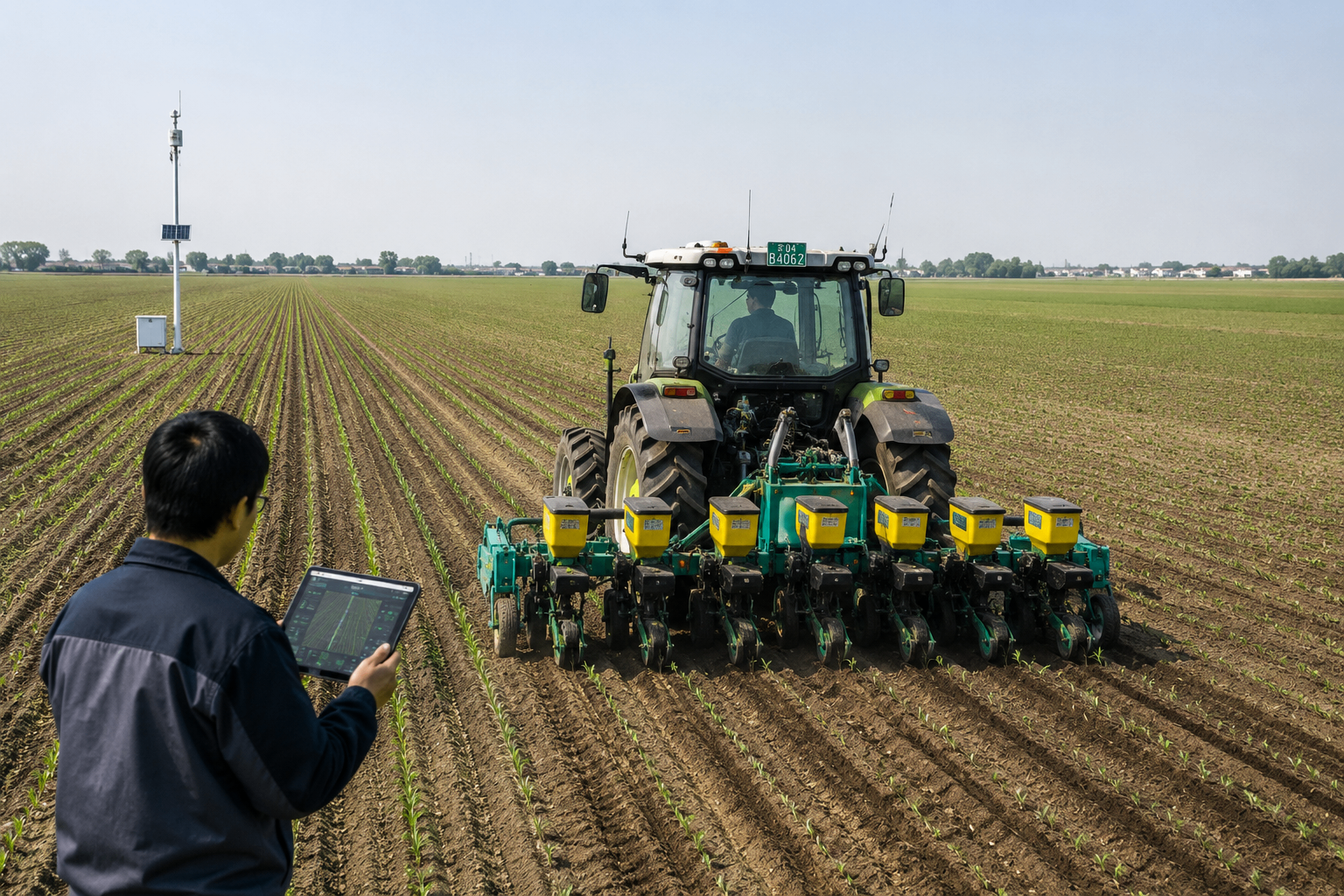
Smart Agriculture: Why Young People Return
智能农机:如何吸引青年返乡?
Why are young Chinese people returning to the countryside to drive tractors?

Carving on Eggshells: Innovation Across Cities
蛋壳雕刻:三地如何协同创新?
How did one company operating across three cities unlock a breakthrough in precision technology?
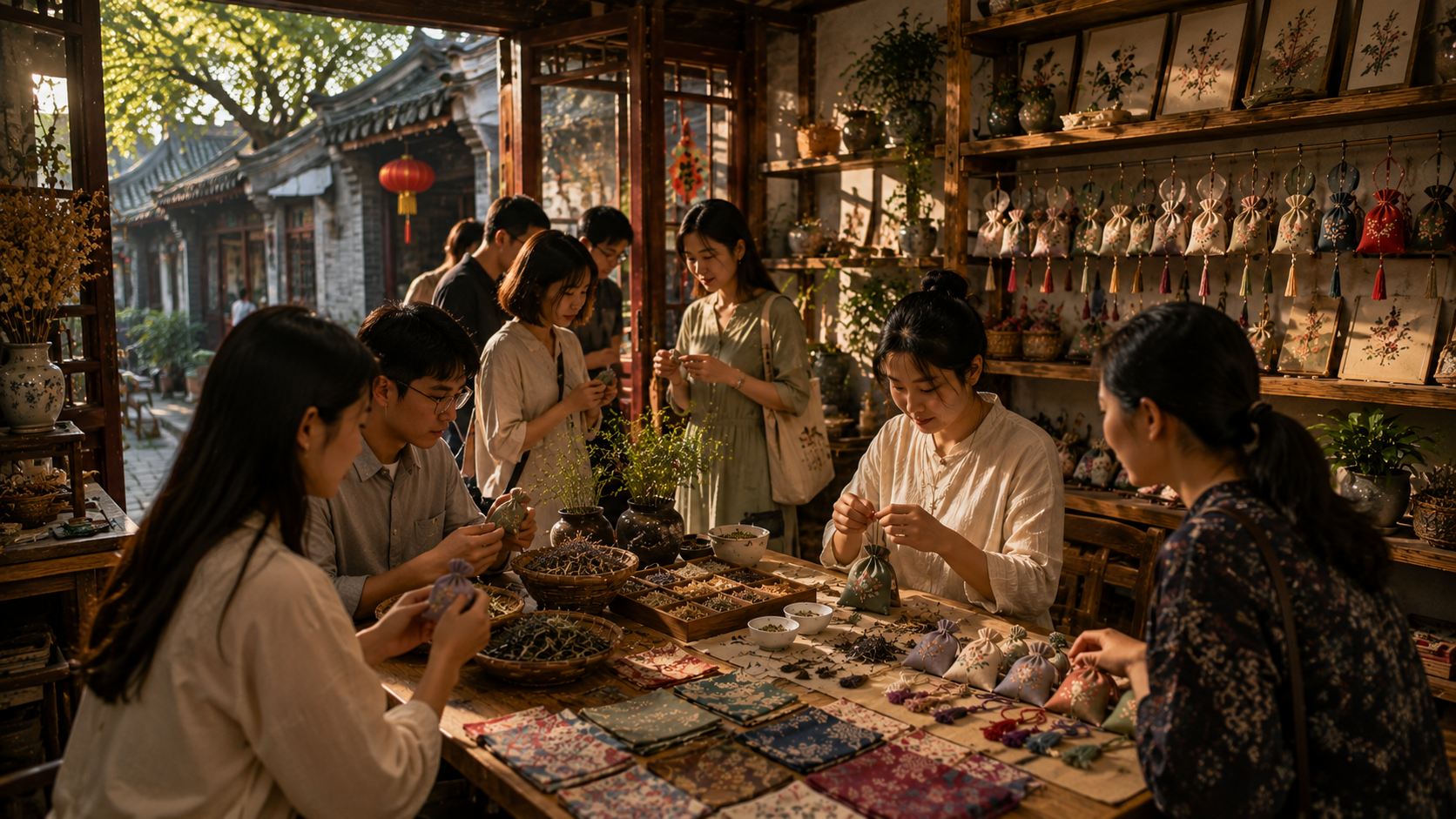
How Traditional Culture Finds New Life
传统文化:如何焕发新活力?
Why are young people rediscovering China's traditional culture?
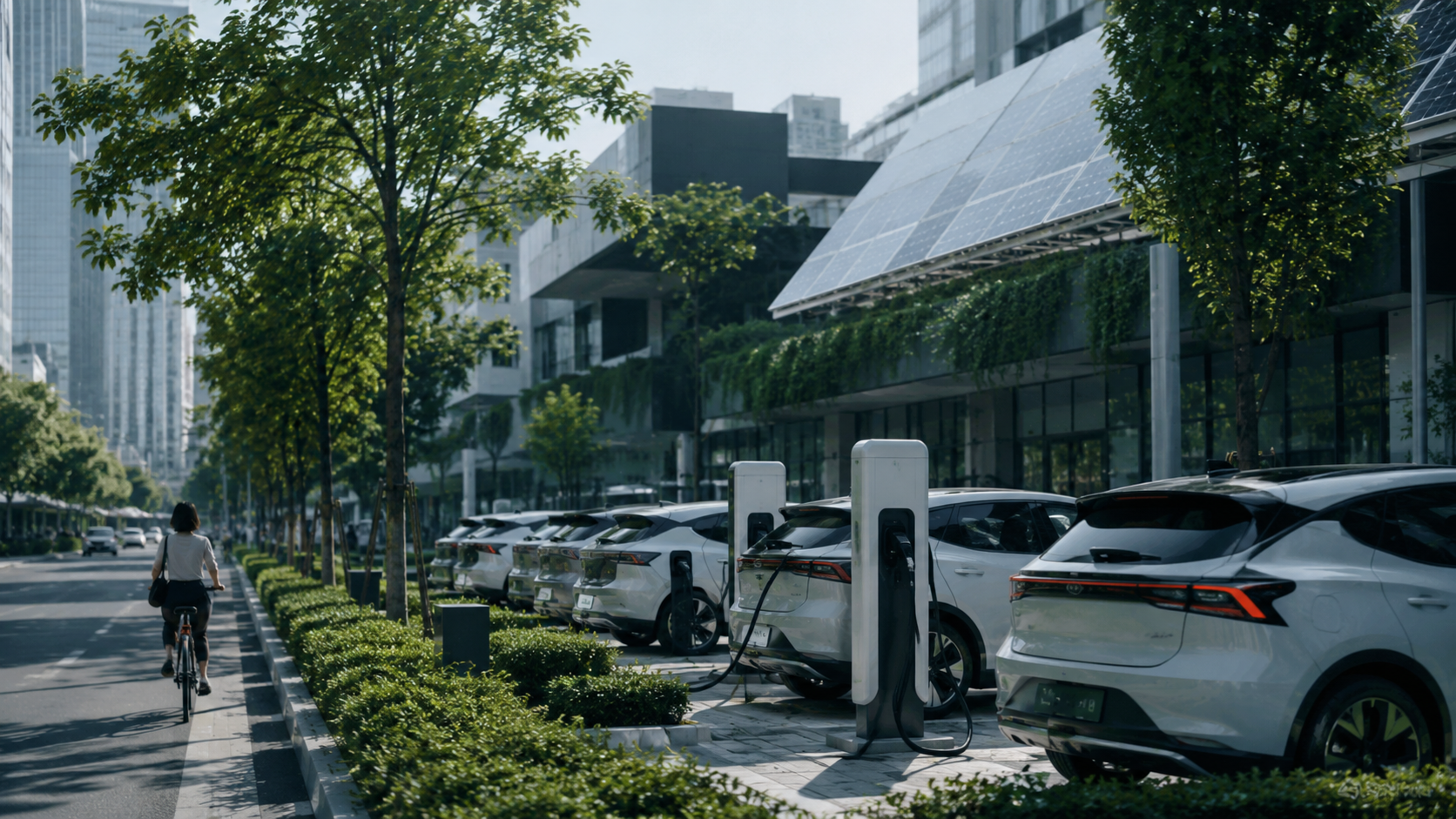
Green Consumption: China’s Low-Carbon Shift
绿色消费:中国如何推动低碳转型?
How is China encouraging its citizens to consume differently?

Xiong’an New Area: Building a Future City
雄安新区:未来之城如何建设?
Can a city built from scratch become China's model for the future?
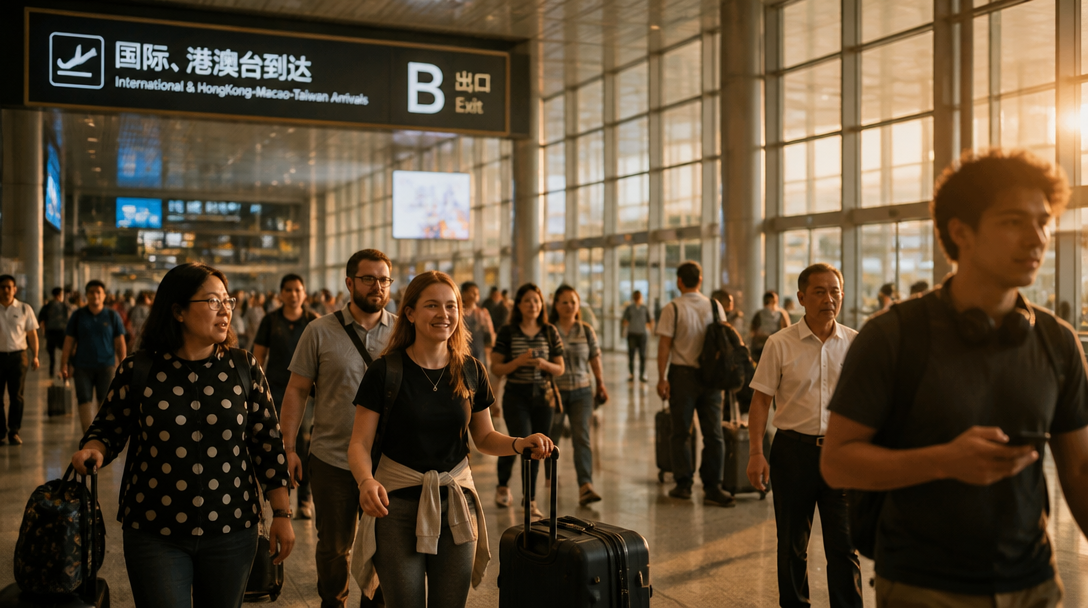
Visa-Free Transit: China Opens More Doors
过境免签:中国向世界打开更多大门
Why is China opening its doors wider to international visitors?

Flood Season: When Rain Belts Shift North
雨带北移:北方如何应对洪水风险?
How does China protect millions of people when the rivers rise?
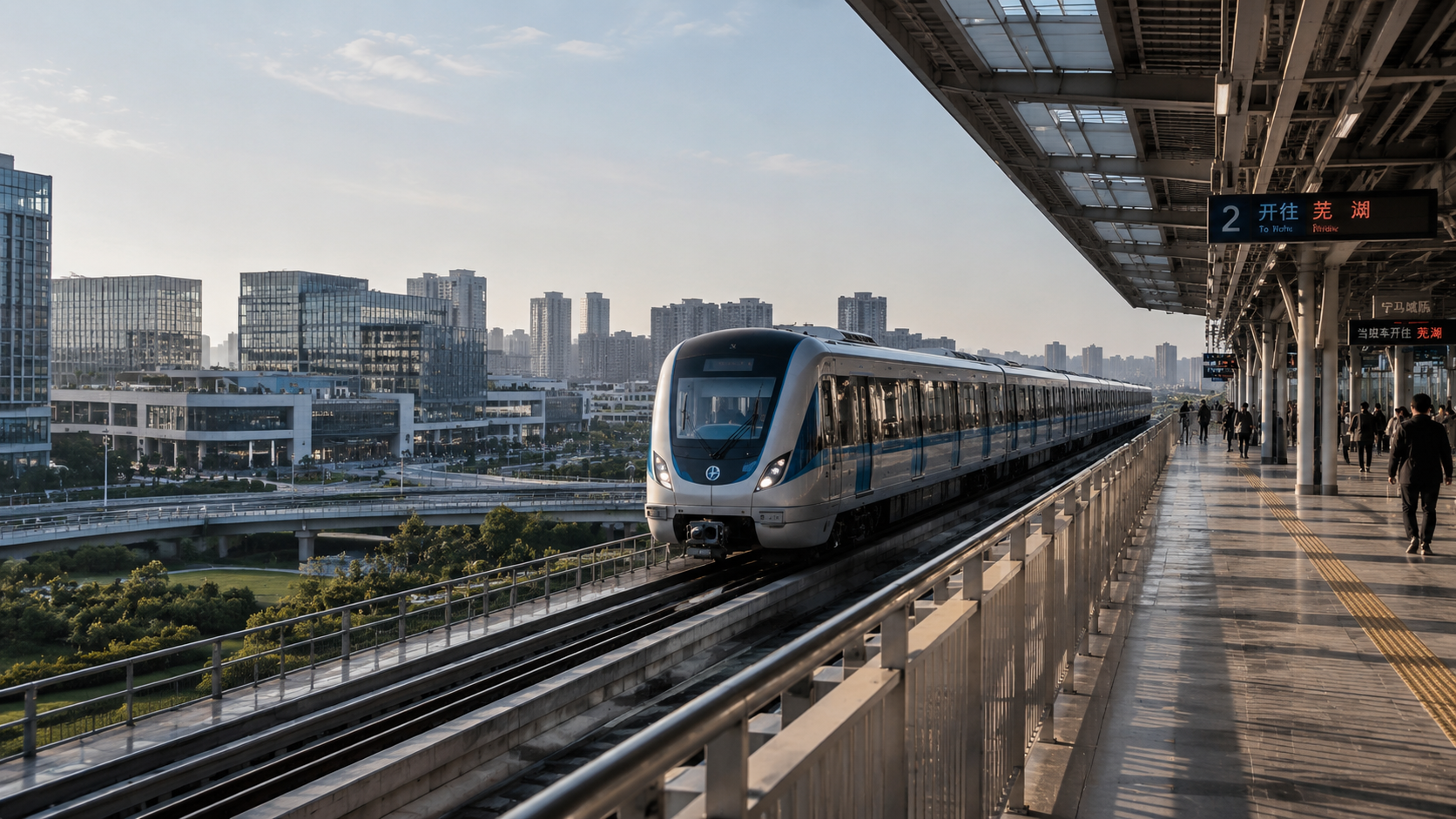
Nanjing–Ma'anshan and Beyond: How Rail Is Reshaping Chinese Cities
宁马铁路:轨道交通如何重塑城市?
How is regional rail reshaping the way Chinese cities grow and connect?
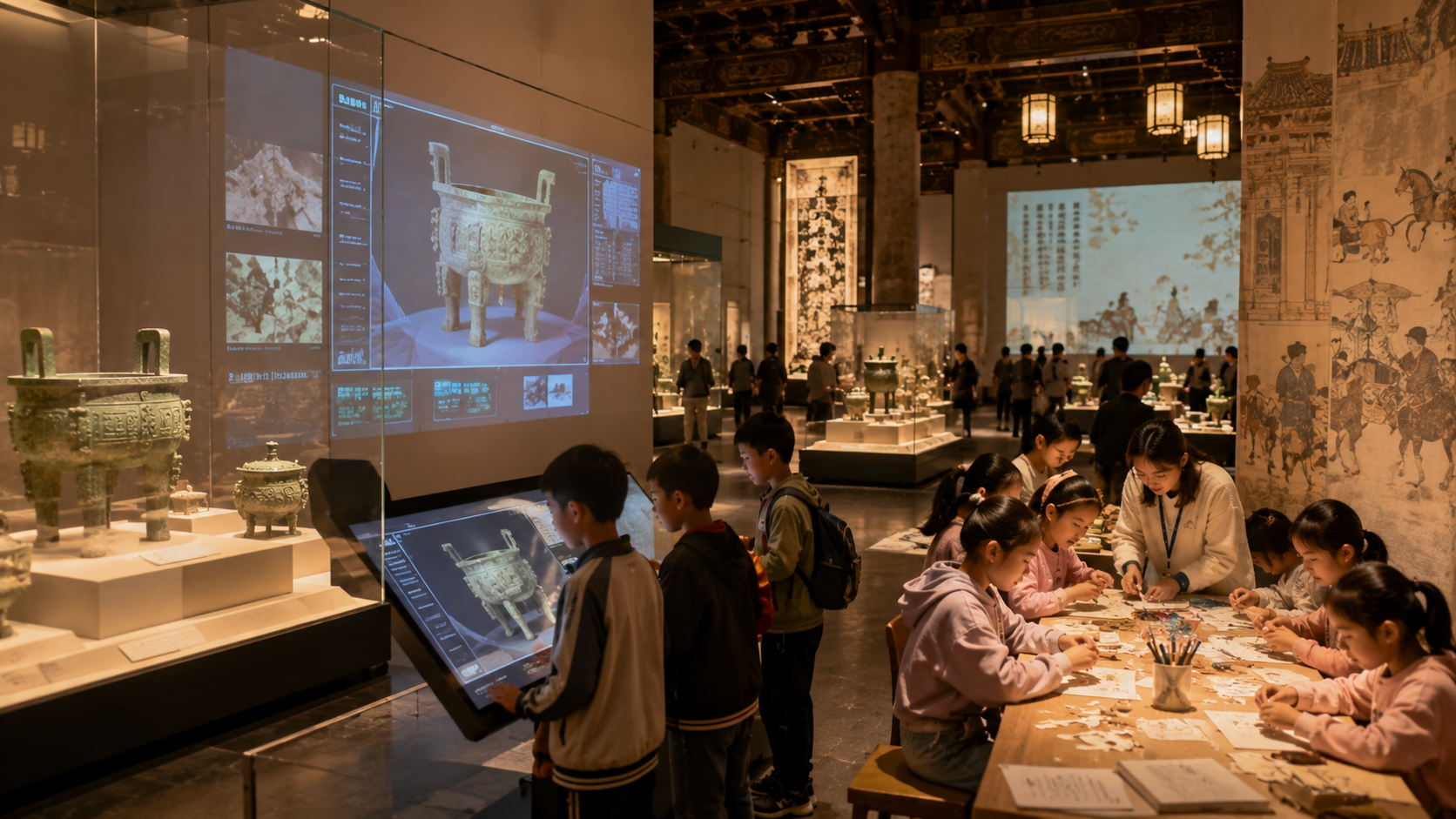
Passing the Torch: Culture Across Generations
小小传承人:传统文化如何代代相传
How do young people learn, practice, and pass on traditional culture?

Modern Naval Training and Operational Readiness
现代海军:训练如何提升战备能力?
What can a warship's first live-fire exercise reveal about its operational readiness?
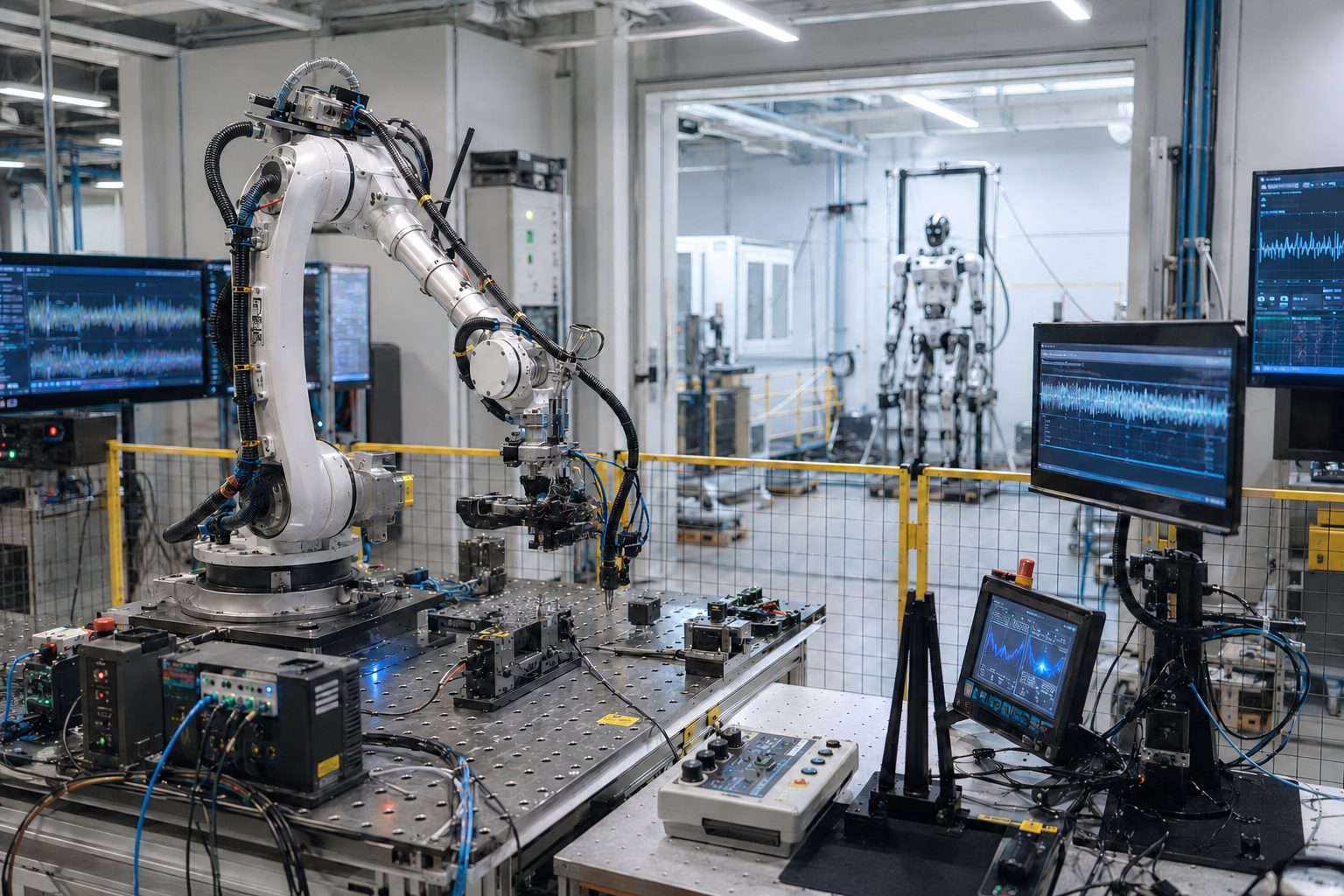
Testing Robots for Real-World Reliability
机器人检测:如何验证真实可靠性?
How do engineers make sure robots can work reliably in complex environments?

Personal Data Protection in the Digital Age
个人信息保护:数字时代谁来负责?
Who is responsible when your data ends up in the wrong hands?

Spring Festival Consumption Boom
春节消费:假日支出如何影响经济?
What does holiday spending reveal about China's economy?
Explore more topics →
3 free topics available now.
You've explored the free topics. Create a free account to unlock all topics and future Early Access releases.
ONE TOPIC. THREE LEVELS. THREE SKILLS.
Explore the same real-world topic at three levels through listening, reading, and speaking.
Upper Beginner
Approx. ILR 1–1+
Build a foundation with adapted authentic Chinese.
Intermediate
Approx. ILR 1+–2
Bridge textbook Chinese and real-world content.
Advanced
Approx. ILR 2–2+
Engage directly with authentic Chinese perspectives.
Coming from HSK? HSK levels are only an approximate reference. Placement is based on your listening, reading, and speaking performance.
Explore Mandarin through ten topic areas.
Ten topic areas. One real-world China.
Society
社会
Technology
科技
Policy & Governance
政策与治理
Economy
经济
Culture
文化
Environment
环境
International Affairs
国际事务
Diplomacy & Security
外交与安全
Education & Health
教育与健康
Geography & Travel
地理与旅行
Traditional culture helps us understand where China comes from. Contemporary topics help us understand where China is going.
At Mandarin Ladder, learners explore not only China’s history and traditions, but also the technologies, policies, social changes, and cultural trends shaping the country today.
Our lessons bridge the gap between textbook Chinese and the language needed to understand contemporary China.
Start climbing today.
Real-world Chinese.
One topic at a time.
- Authentic, contemporary material
- 3 levels per topic
- Listening, reading, vocab & speaking